
Imaging Services
Back to Services

Diagnostic imaging services are available at Buffalo Medical Group offices at 85 High Street, Buffalo, 295 Essjay Road and 425 Essjay Road in Williamsville. As a convenience for our patients, imaging exams can be performed at those locations quite often at the same time they visit their physicians. All images are read the day they are taken and the results are sent to the patient's doctor within 24 hours. In the case of an emergency, physicians receive the results immediately.

Appointments for imaging services at all sites can be made by calling the Scheduling Office at 857-8777. Our goal is to schedule appointments at a time and location most convenient for our patients.

General radiology, fluoroscopy, and nuclear medicine services are available at 85 High Street Monday through Friday from 7:30 am to 5 pm. Ultrasound is available from 7:30 am to 3 pm, Monday through Friday. The High Street Imaging Services Department can be reached by calling 857-8628.

The Imaging Services Department at 295 Essjay Road is open Monday through Friday from 7:30 am to 8 pm, and offers the following services: general radiology, fluoroscopy, ultra-sound, CT scan, nuclear medicine, bone densitometry, and digital mammography. The phone number for the Williamsville Imaging Services Department is 630-1112.

The Buffalo Medical Group uses a Picture Archive Communication System (PACS), filmless technology that enables BMG physicians to view images on computers in their offices. The images can also be transferred to a CD for review by referring physicians outside of the BMG.


Magnetic Resonance Imaging (MRI)
In response to the needs of its patients and to assist physicians in making a definitive diagnosis, the Buffalo Medical Group now offers Magnetic Resonance Imaging (MRI) services at its 425 Essjay Road location.

MRI technology uses a combination of radio waves and a magnetic field to produce extremely detailed images. A typical exam takes 30 minutes or slightly longer for those procedures that require the injection of a solution to enhance the image.

Prior to a scheduled exam, a member of the MRI staff will contact the patient to ask a series of questions regarding any type of metal he or she may have in their body. It is very important to obtain that information prior to the exam to avoid possible delays in completing the testing.

The highly trained and experienced MRI staff is dedicated to ensuring patient comfort and safety while providing BMG physicians with the detailed images they need to make an accurate diagnosis.

The Buffalo Medical Group MRI facility is fully accredited by the American College of Radiology (ACR).

General Radiography
General radiologic procedures include, but are not limited to, x-rays of the chest, abdomen, spine, skull and extremities. These exams are performed by licensed radiologic technologists. A referral/request from the patient's physician must be presented prior to the examination. These x-rays can be performed any time during our designated business hours listed previously. No preparations are required for these procedures. Some exams require the patient to change into a gown. All metal (jewelry, watches, zippers, buttons, etc.) in the area to be x-rayed must be removed.

Fluoroscopy
Fluoroscopic imaging procedures include, but are not limited to the upper gastrointestinal (UGI) examinations, barium swallows, barium enemas, epidurography and myelography. Most fluoroscopic procedures require some preparation by the patient which often includes fasting from food and liquids for a designated period of time. In the case of a barium enema, the preparation also includes a cleansing of the colon that starts several days prior to the exam. This information is explained to the patient at the time the exam is scheduled. Due to the fasting requirements of these exams, most fluoroscopic x-rays are scheduled in the morning. These exams which evaluate the digestive system, involve the use of a contrast solution. For the UGI and barium swallow, the contrast is a "white milkshake" drink.

For the barium enema, a similar contrast solution is introduced through the rectum, which allows evaluation of the lower digestive system. For epidurography and myelography, a clear contrast solution is injected into a region of the spine.

All fluoroscopic exams are performed by a radiologist (a physician who specializes in radiologic testing) with assistance by a licensed radiologic technologist.


Bone Densitometry
The Buffalo Medical Group's comprehensive array of imaging services includes a technologically advanced Bone Densitometry unit at its 295 Essjay Road office. This exam, which involves a quick scan of the hip and spine, calculates a patient's risk for osteoporosis by measuring bone mass.

This exam enables the physician to compare a patient's Bone Mass Measurement (BMM) with the normal results of patients of the same age range. Patients who are diagnosed with osteopenia (mild bone loss) and osteoporosis can have periodic scans in order to monitor changes in bone mass.

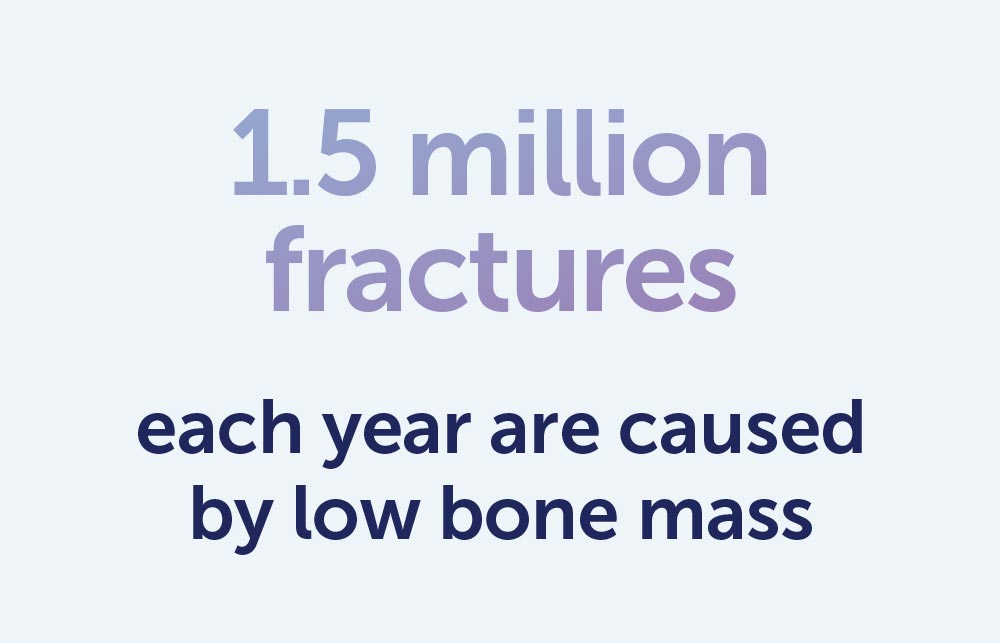
More than 28 million women currently suffer from osteoporosis or have low bone mass. This figure may approach 40 million in the next 20 years if steps are not taken to prevent this disease. Studies show that low bone mass causes 1.5 million fractures each year. Even though men can develop osteoporosis, women are at greater risk. This is due to the fact that women tend to build less bone than men when they are young and experience a rapid skeletal bone loss due to the decrease in estrogen production following menopause. Surveys indicate that 75 percent of women age 45-75 never discuss osteoporosis with their physicians.

This exam is performed by a licensed radiologic technologist who has specialized training in bone density. Although appointments are recommended for this exam,"walk-ins" can be accommodated, if necessary. The entire test takes approximately 20 minutes, and patients are requested not to take a "calcium supplement" on the day of the exam. Patients who wear clothing that does not contain metal in the torso area, will not be asked to change into a patient gown. All results are sent to the referring physician, and the results also are available on the Buffalo Medical Group PACS.

Mammography
Buffalo Medical Group's fully accredited Mammography Service has acquired a new digital mammography system that provides its physicians with clear, precise digital images, enhancing their ability to detect and diagnose breast cancer.

Located in the Imaging Department at 295 Essjay Road in Williamsville, the digital mammography system features the most advanced technology available to patients today.  BMG is among the only a handful of Western New York breast health providers that offers patients digital mammography screening.

Digital mammograms takes about half the time as those performed with x-ray film, is more comfortable for the patients, and images are available to be read within 10 seconds.  If a second opinion is needed, the images can be sent electronically to a consulting physician within minutes.

The BMG Mammography service is accredited by both the American College of Radiology and the Federal Drug Administration.  Exams are performed by licensed and certified technologists, and all patients receive the results of their mammograms.

Mammograms are performed Monday through Saturday, with extended evening hours. Appointments are recommended, but emergencies can be accommodated. If requested, a bone densitometry appointment can be scheduled prior to or after a mammogram, thus eliminating another visit by the patient.

Ultrasound
Ultrasound is a diagnostic procedure that uses sound waves instead of
x-rays to create images. Since its inception in the 1970s, ultrasound exams have become a highly used and valued service in imaging departments. The ultrasound departments at the 85 High Street and 295 Essjay Road locations have identical state-of-the-art equipment and are fully accredited by the American College of Radiology (ACR).

The Buffalo Medical Group offers a full range of diagnostic ultrasound tests including, but not limited to fetal, renal, pelvic and abdominal. Ultrasound images enable physicians and technologists to view the pathology of various organs and body structures. Highly skilled registered technologists perform ultrasound exams, and the results are interpreted the same day. These images also are available on the PACS.

The majority of ultrasound appointments are scheduled in advance, but technologists accommodate emergencies when necessary.

CT Scanning
Computerized axial tomography (CT scanning) was introduced to imaging departments in the mid 1970s, but it wasn't until the early 1980s that the CT scanner was considered a necessary component for diagnostic imaging. During the last three decades CT technology has developed rapidly making it possible to perform scans quickly, thereby reducing a patient's exam time. New technology, combined with fast  CT scanning times, enables physicians to diagnose various diseases and pathologies such as tumors, masses, cysts, malignancies, and bowel/renal obstructions.

Buffalo Medical Group, PC, recently installed the most technologically advanced CT scanner available to health care providers today. The new CT scanner, a SOMATOM® Definition AS+ developed by Siemens Healthcare, adapts to virtually any patient, provides each person with complete dose protection, and significantly improves the quality of the diagnostic information clinicians receive.

Key features of the SOMATOM® Definition AS+ include:

Ø  Adaptive 4D (high definition) Spiral technology that enables doctors to differentiate, characterize, isolate and distinguish the tissue, making it easier to determine the disease.

Ø  Quicker scanning and enhanced imaging.

Ø  A dose shield that manages the radiation dose in 100 percent of spiral examinations, blocking unnecessary doses for patients before and after the spiral scan.

Ø  A 78cm bore, a broad imaging range and a 485-pound table weight capacity that can accommodate obese patients.

Ø  The ability to perform virtually any type of exam from vessel imaging to cardiac tests to cancer staging.

Ø  Enhanced pulmonary disease staging to include Lung computer-aided detection (CAD).

BMG offers CT scanning at its 295 Essjay Road office Monday through Friday from 7 am to 7 pm. CT scans must be scheduled, but an urgent CT exam can be performed the same day as requested by a physician. CT exams are performed by licensed technologists, and all exams are interpreted by a radiologist on the day of service. They also are available for review by the referring physician on the PACS. Most CT exams involve an injection of a contrast solution. However, some also entail drinking an oral contrast for maximum enhancement of the CT images. For CT exams that require a contrast solution, the patient must fast from food and drink four hours prior to the appointment.

The CT Department is fully accredited by the American College of Radiology (ACR.)


Nuclear Medicine
The Buffalo Medical Group offers nuclear medicine services at its 295 Essjay Road and 85 High Street offices. Both locations have identical state-of-the art nuclear medicine cameras that enable technologists to perform various studies.

Nuclear medicine studies evaluate the function or performance of a body part to determine if an organ is working properly. All nuclear medicine exams involve the injection of a small and harmless amount of a radioactive tracer prior to scanning the body part. This enables the camera to produce images of the organ or body part. For most nuclear medicine exams, there is no preparation.

All exams are performed by certified nuclear technologists who have had extensive nuclear medicine training. Exams are interpreted the same day, and the images also are available for review by the referring physician on the PACS.

Both Nuclear Medicine locations have full accreditations by the American College of Radiology (ACR.)

MRI Diagnostic Testing Information - Page 1
MRI Diagnostic Testing Information - Page 2

CT Scanner Information - Page 1
CT Scanner Information - Page 2